
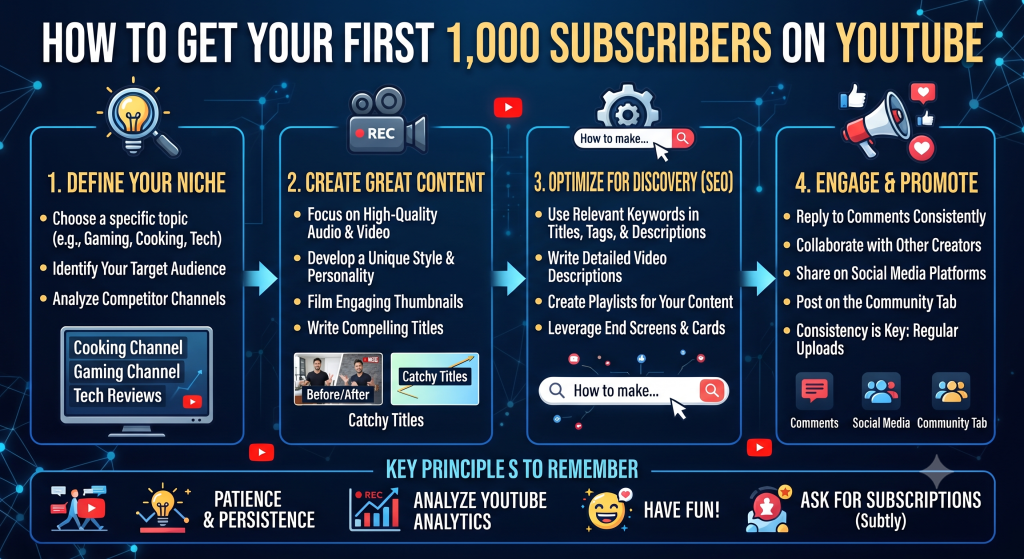
In the vast, competitive universe of YouTube, simply uploading a great video isn’t enough. Many creators pour hours into filming and editing, only to neglect a crucial element that can make or break their content’s success: the video description. While your video’s content is king, your description is the royal decree that tells both viewers and YouTube’s algorithm exactly what your video is about, why it matters, and where to go next. Learning to optimize YouTube descriptions is key to unlocking new levels of discoverability and engagement.
Think of your description as a powerful, often underutilized, marketing tool. It’s your chance to provide context, drive traffic, and help your ideal audience find you. This isn’t just about stuffing keywords; it’s about strategic communication that enhances the viewer experience and satisfies YouTube’s complex algorithms. Let’s dive deep into crafting descriptions that work harder for your channel.
More Than Just Text: Why You Need to Optimize YouTube Descriptions Now
For many years, the YouTube algorithm has evolved significantly. It doesn’t just rely on titles and tags anymore; it reads and understands the context provided in your video description. A well-written description acts as a signal to YouTube, helping it categorize your content accurately and recommend it to relevant viewers. This means more impressions, more clicks, and ultimately, more views for your hard work.
Beyond the algorithm, consider your audience. Viewers often check the description for more information, links, or specific timestamps. A detailed, helpful description enhances their experience, making them more likely to subscribe, engage with your other content, or visit external links. In essence, an optimized description bridges the gap between your video and its full potential, transforming casual viewers into loyal followers.
The Core Elements of an Optimized YouTube Description
Crafting an effective description involves several key components, each playing a vital role in discoverability and user engagement. It’s about providing value, clarity, and direction.
Strategic Keyword Placement
Keywords are the backbone of any SEO strategy, and YouTube is no exception. Begin your description with your primary keywords, naturally woven into the first few sentences. YouTube prioritizes the initial text, so make it count. Don’t keyword stuff; instead, aim for natural language that incorporates variations and long-tail keywords relevant to your video’s topic. Tools like TubeBuddy or vidIQ can be invaluable for identifying high-performing keywords your audience is searching for.
Further down, you can expand on related topics and secondary keywords. Think about what questions your video answers or what problems it solves, and incorporate those phrases. This helps YouTube understand the breadth of your content and match it with a wider range of search queries, significantly improving your chances to optimize YouTube descriptions effectively.
Timestamps for Enhanced Navigation
For longer videos, timestamps are a game-changer. They allow viewers to jump directly to specific sections of your video, improving user experience and retention. If your video covers multiple topics, breaking it down with timestamps (e.g., 0:00 Intro, 1:30 Topic A, 5:45 Topic B) is incredibly helpful. YouTube even creates chapters from these timestamps, making your video easier to navigate and more appealing in search results.
Adding timestamps also gives YouTube more context about the different segments within your video, potentially leading to better indexing for specific sub-topics. This small effort can dramatically increase viewer satisfaction and the perceived value of your content, encouraging them to stay longer and return for future videos.
Calls to Action (CTAs) and Social Links
What do you want your viewers to do after watching your video? Tell them! Include clear calls to action (CTAs) in your description. This could be to subscribe to your channel, like the video, leave a comment, or visit your website. Place these CTAs strategically, often towards the top and bottom of the description.
Furthermore, don’t forget to include links to your other social media profiles, your website, or any relevant products/services. This helps diversify your audience engagement and drives traffic to your other platforms. If you’re using affiliate links, always remember to include a clear disclosure to comply with regulations and maintain trust with your audience.
Relevant Hashtags
Hashtags (#) are another powerful tool for discoverability on YouTube. They help viewers find your content when searching for specific topics or exploring related videos. Include 3-5 highly relevant hashtags at the end of your description. For instance, if you’re reviewing a camera, you might use #camerareview #techgear #[cameramodel].
Choose hashtags that are specific to your video’s content and broader topics within your niche. Avoid using too many irrelevant hashtags, as this can be perceived as spammy and may even penalize your video’s ranking. Quality over quantity is the rule here for optimizing YouTube descriptions.
Channel Branding and Boilerplate
Consistency is vital for building a strong brand. Consider creating a standard boilerplate section for your descriptions that includes links to your channel, a brief ‘about me’ or ‘about the channel’ blurb, and your most important social media links. This saves time and ensures every video consistently promotes your brand and other platforms.
This boilerplate can be easily copied and pasted into new video descriptions, then customized with video-specific details. It reinforces your brand identity and makes it easy for new viewers to learn more about you and your content, creating a cohesive experience across your entire channel.
Tools to Help You Optimize Your YouTube Descriptions
You don’t have to go it alone when striving to optimize YouTube descriptions. Several excellent tools can streamline this process and give you an edge. TubeBuddy and vidIQ are two of the most popular and comprehensive options. They offer features like keyword research, competitor analysis, tag suggestions, and even A/B testing for titles and descriptions.
These tools can help you identify high-volume, low-competition keywords, analyze what’s working for your competitors, and even audit your existing descriptions for SEO improvements. While not strictly a YouTube tool, a simple text editor or a dedicated note-taking app can also be useful for drafting your descriptions, allowing you to focus on structure and flow before pasting them into YouTube Studio.
Common Mistakes to Avoid
While the goal is to optimize YouTube descriptions, there are pitfalls to sidestep. Firstly, avoid keyword stuffing. Overloading your description with keywords in an unnatural way can actually hurt your ranking and alienate viewers. Write for humans first, algorithms second.
Secondly, never leave your description empty or write only one sentence. This is a missed opportunity for discoverability and engagement. Lastly, don’t set it and forget it. Periodically review your descriptions, especially for older, high-performing videos, to ensure they remain relevant and accurate. Update links, add new CTAs, or refine keywords as needed.
Conclusion
Optimizing YouTube descriptions is a powerful, yet often overlooked, strategy for growing your channel. By strategically placing keywords, adding helpful timestamps, including clear calls to action, utilizing relevant hashtags, and maintaining consistent branding, you can significantly boost your video’s discoverability and viewer engagement. It’s an ongoing process, but the rewards are well worth the effort.
Start implementing these strategies today and watch as your videos reach a wider, more engaged audience. Remember, every element of your YouTube presence works together to tell your story and attract your community. Take advantage of every opportunity to optimize, and your channel will thrive. Explore more tools and tips on yttoolsonline.com to further enhance your YouTube journey!