
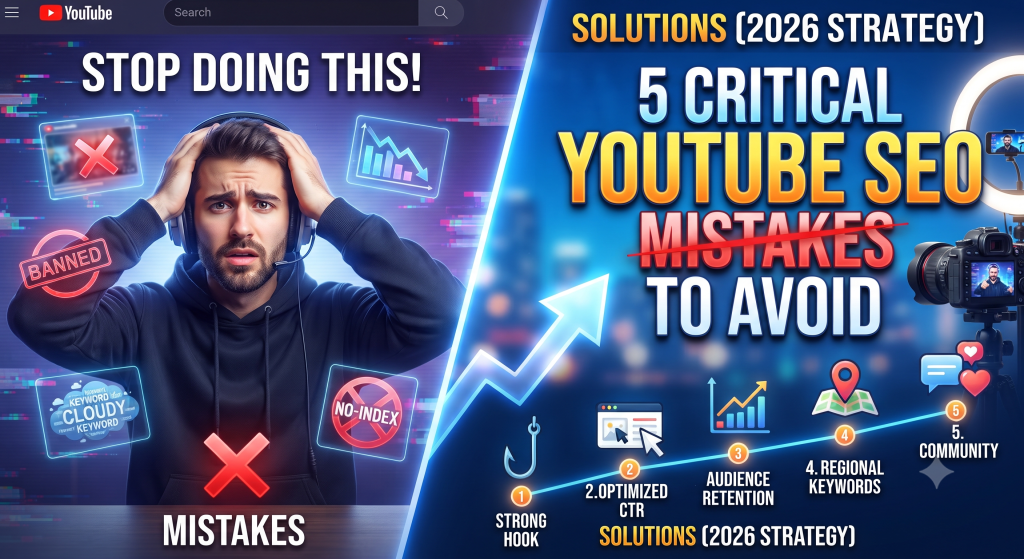
YouTube is a wild place, isn’t it? Getting your videos seen can feel like shouting into a hurricane, especially with millions of creators vying for attention. While the platform offers incredible opportunities for connection and growth, standing out requires more than just great content. It demands smart optimization. Therefore, understanding and actively avoiding common YouTube SEO mistakes 2026 will be more crucial than ever for creators looking to truly succeed.
The digital landscape shifts constantly, and what worked for channel growth a year or two ago might be obsolete by 2026. YouTube’s algorithm is always evolving, refining how it understands, categorizes, and recommends videos to viewers. Staying ahead means not just knowing the best practices, but also recognizing and steering clear of the pitfalls that can sink even the most promising channels. Let’s dive into five critical errors you absolutely must avoid.
Don’t Make These YouTube SEO Mistakes in 2026
1. Ignoring Audience Intent and Over-focusing on Keywords
One of the biggest blunders creators make is focusing solely on keywords without considering what viewers actually want when they type those words into the search bar. Simply cramming popular keywords into your title and description without understanding the underlying intent behind a search query is a recipe for low engagement and high bounce rates. YouTube’s algorithm is smart; it values user satisfaction above all else.
To really connect, you must think about the viewer’s journey. Are they looking for an answer to a specific question, seeking entertainment, a tutorial, or inspiration? For instance, someone searching for “how to fix a leaky faucet” isn’t looking for a vlog about your day; they need a clear, step-by-step guide. Likewise, a search for “best gaming moments” implies a desire for compilation-style entertainment, not a single long play-through.
To avoid this common trap, start by putting yourself in your audience’s shoes. Use tools like Google Trends, YouTube’s search suggestions, and competitor analysis to understand not just what people are searching for, but why. Then, tailor your content and optimization around fulfilling that specific need or desire. Your video should directly address the searcher’s intent, leading to higher watch times and better viewer retention.
2. Neglecting Video Engagement Signals
Many creators obsess over views, but the YouTube algorithm looks far beyond simple click-throughs. If viewers click on your video but quickly leave, watch only a small portion, or don’t interact, YouTube interprets this as a sign that your content isn’t satisfying. Consequently, it will be less likely to recommend your video to others, regardless of how many initial clicks it received.
Engagement signals are paramount for organic reach. These include critical metrics like watch time (how long people watch), likes, dislikes, comments, shares, and even whether viewers subscribe after watching. High watch time tells YouTube your content is valuable and captivating. Positive interactions signal that your video resonates with its audience. These indicators are crucial for long-term discoverability and algorithm favorability.
To improve engagement, focus on creating captivating content from start to finish. Hook viewers within the first 15-30 seconds. Maintain a good pace, use clear audio, and engaging visuals throughout. Furthermore, actively encourage interaction by asking questions in your videos, prompting comments, and responding thoughtfully to your audience. Don’t forget to use end screens and cards effectively to guide viewers to more of your content, increasing overall channel watch time.
3. Underestimating the Power of Thumbnails and Titles
Your thumbnail and title are the dynamic duo that determines whether a potential viewer clicks on your video. Even with perfectly optimized content, a weak thumbnail or an uninspired title can condemn your video to obscurity. Many creators rush this crucial step, thinking the content alone will speak for itself. In reality, these elements are your video’s critical first impression and gatekeepers to viewership.
A compelling thumbnail is visually striking, clear, and relevant to your video’s content. It should convey emotion or curiosity, making viewers pause their scroll and consider clicking. Simultaneously, your title needs to be descriptive, include your primary keyword naturally, and pique interest without resorting to clickbait. It’s a delicate balance between accuracy and allure that drives clicks.
Invest significant time in crafting both. A/B test different thumbnail designs to see what resonates best with your audience. Use bold fonts, contrasting colors, and clear, expressive images. For titles, aim for clarity first, then add a touch of intrigue or a clear benefit. Consider what problem your video solves or what unique value it offers. Remember, both elements need to work together harmoniously to entice clicks and accurately represent your video’s content.
4. Skipping Proper Video Optimization (Description, Tags, Chapters)
Once a viewer clicks, the journey continues. Many creators upload their video, add a basic title and thumbnail, and then neglect the finer details of optimization. The video description, tags, and even newer features like video chapters are not just optional extras; they are vital components of YouTube SEO that help the algorithm understand your content more deeply and serve it to the right audience.
A well-written video description, for instance, isn’t just a summary. It’s an opportunity to provide context, include secondary keywords, add timestamps for key moments, link to related content or social media, and even transcribe key parts of your video. YouTube uses this rich text to better categorize your video and match it with relevant search queries, effectively acting as a mini-blog post that supports your video.
Similarly, relevant and varied tags help YouTube understand your video’s topics and themes. Don’t go overboard with irrelevant tags, but use a mix of broad and specific terms that accurately describe your content. Video chapters, meanwhile, significantly improve user experience by allowing viewers to jump to specific sections. This not only increases watch time for longer videos but also tells YouTube that your content is well-structured and easy to navigate, potentially boosting its discoverability.
5. Failing to Adapt to Algorithm Changes
YouTube’s algorithm is a living, breathing entity. It’s constantly learning, adapting, and changing its priorities based on user behavior and platform goals. One of the most significant YouTube SEO mistakes 2026 creators could make is assuming that what works today will work tomorrow, leading to stagnation and a decline in visibility. The platform rewards those who stay current and experiment.
Creators who resist change often find their channels plateauing or even declining, despite consistent effort. Successful YouTubers, however, make it a point to stay informed about platform updates, test new features, and diligently analyze their own channel’s performance data to spot trends. They understand that flexibility and a willingness to learn are key to long-term success on such a dynamic platform.
Make it a habit to regularly check the official YouTube Creator Blog and reputable industry news for updates. Pay close attention to changes in user interface, new features, and any shifts in YouTube’s stated priorities (e.g., increased focus on Shorts, live content, or specific content types). Experiment with these new tools and analyze how they impact your channel’s metrics. By being proactive and adaptable, you ensure your SEO strategy remains effective and truly future-proof.
Conclusion
Navigating the competitive world of YouTube requires more than just creating engaging videos; it demands a strategic and forward-thinking approach to discoverability. By proactively avoiding these five critical YouTube SEO mistakes 2026, you’re not just playing defense; you’re building a robust foundation for sustainable growth. Focus on audience intent, prioritize engagement, optimize your visual first impressions, fill out all your metadata diligently, and remain adaptable to the platform’s evolution. Implement these insights, and watch your channel thrive in the years to come.